CV vs. Resume
When to Use CV vs a Resume According to Best Resume Coach
So, I didn't invent the 1-page resume. I did learn how to craft one that works to get you hired. Believe me, if having a 20-page resume was what worked to help you get hired for a job faster, you know that's what I would be advising you to create. But it's truly not.
Attention spans being what they are these days means that the average recruiter, hiring manager or HR person has less than 7 seconds to decide if you are a "yes" or a "no" to call in for a job interview. That's it.
7 seconds!
And that's AFTER your resume gets sorted by the ATS (applicant tracking systems). Did you know that some companies filter out any resumes that are longer than 2 pages as an automatic "no"?
Below is more context and some real-life examples about when to use a CV vs. when to use a Resume.
What Is the Difference between a CV and a Resume?
Although most people use the two words interchangeably, there is a huge difference that I'm here to explain.
The CV will showcase your full work history with every detail. Your CV will be 3+ pages at least.
Of course there is a time and a place to have a longer resume ready. Most people use the words CV and resume interchangeably. Here's the difference:
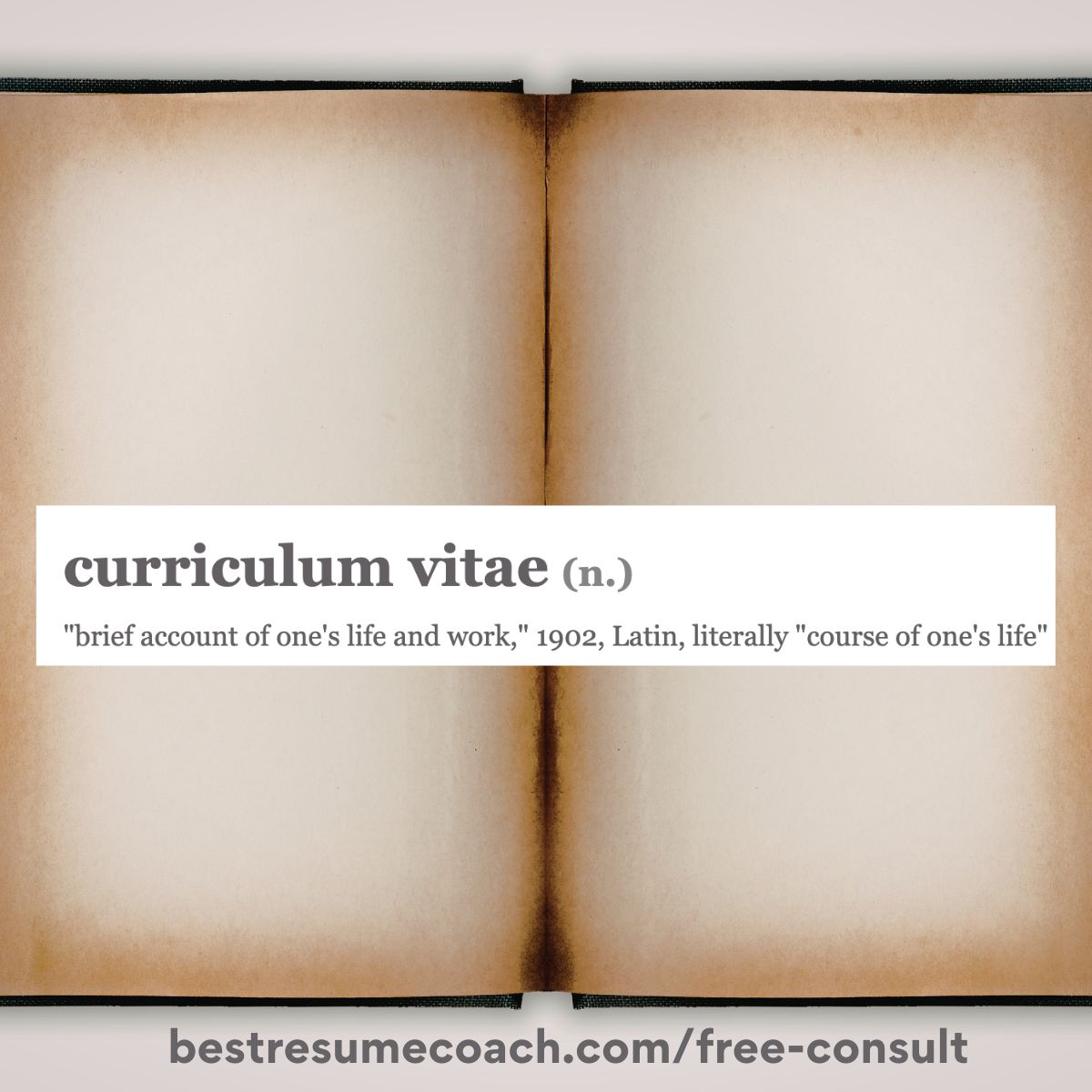
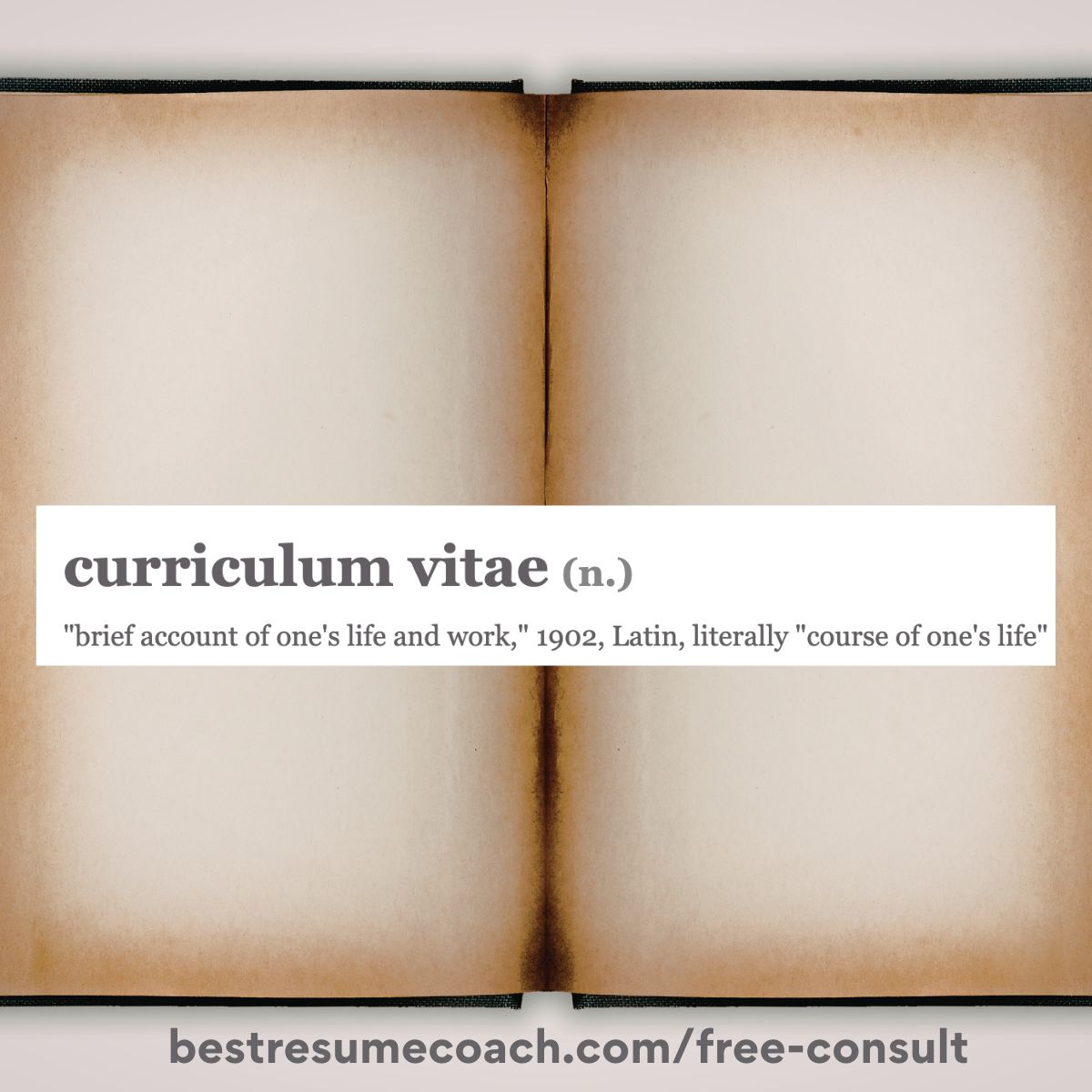
CV is short for "curriculum vitae" which means "course of one's life” in Latin. You can think of the CV as sharing the entire story of your work history. This would include things that you accomplished over the course of your life and career like special training, courses, awards, publications, and professional memberships.
Use CV When Applying To:
Universities and Colleges
Academia
Scientific Research
Nonprofit Orgs
Companies located in Europe, Asia, and India
Federal, state, or local government
Legal Profession
The resume is a quick snapshot, high-level overview of your experience. Your resume will be 1-2 pages at most.
Use a Resume When Applying To:
Technology Industry
Startups
Private Sector
Healthcare
Retail
Marketing/Communications
Finance
Design
Freelance/Consulting/Fractional
All other industries
Career Storytelling is the Key
In my experience helping jack-of-all-trades job seekers, a 1-Page resume wins the day every time. Why? Because it saves the person reading your resume time. My resume template is formatted to be strategic and ATS-friendly for those applicant tracking systems. So you pass the filtering stage and get through to a human on the other side.
I hope this helps you put it into perspective. It's good to have a CV just for your own knowledge as a "master document" of all you've done.
You can be strategic and only give the most relevant information on your resume.
I recommend using LinkedIn to supplement any information that doesn't fit on the 1-pager. As long as it's not sensitive or proprietary info, you can share it openly on LinkedIn where there is unlimited space.
What it all comes down to is this: Career Storytelling. Can you tell you story in a way that is compelling and easy to understand? Whether you tell your career story in 1 page or 2+ pages, the content is also really important.
If you know you're ready to work with me and want to get started on your CV right away, then I invite you to skip the call and let's dive right in to our first transformational coaching session where I will walk you through what it takes to create your CV and Resume that gets you hired for the job you want, faster.
At the very least, I hope this brings you more clarity so you can be informed and feel empowered the next time you go to update your CV and resume.